
Can Trees & Lawns Live In Harmony?
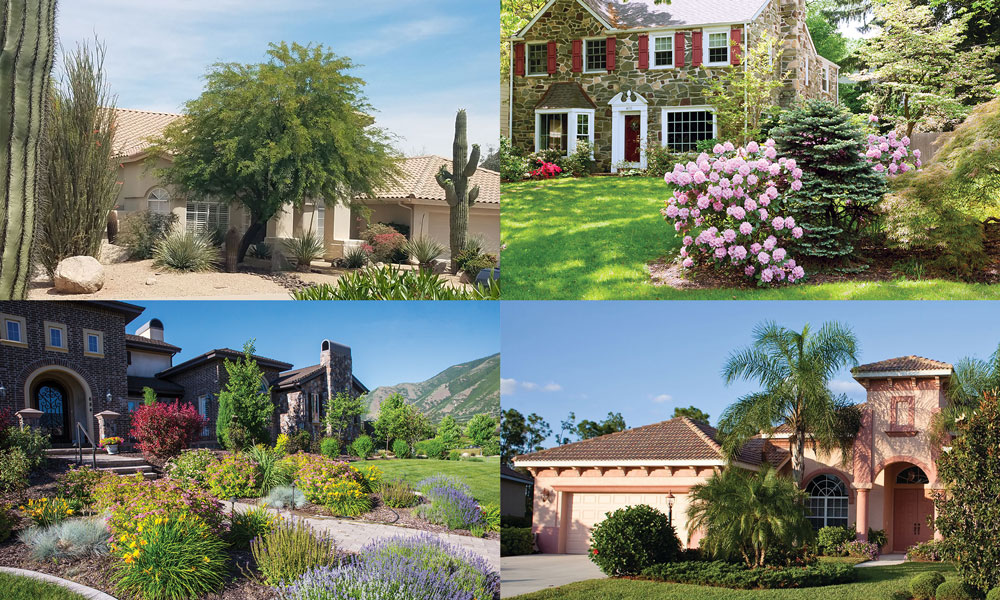
The environment in which we live and work is greatly enhanced by the use of trees, shrubs, ground covers and turf. Plants combined with architectural elements such as buildings and walkways provide a functional and aesthetically pleasing atmosphere for our day to day activities. In a properly designed landscape, all components work together to help reduce noise, control pedestrian traffic, improve energy efficiency, and provide privacy.
The enhanced environment, while less stressful to its human inhabitants, poses special challenges to its plant benefactors. Trees and turf compete for sunlight, water, nutrients, and sometimes even attention! The following are some common challenges faced by trees and lawns:
Poor Lawn Quality
One common lawn and tree care management challenge is the poor quality turf often found under trees providing dense shade. The neophyte is quick to blame the problem entirely on lack of sunlight. While this is certainly a part of the problem, other factors must be considered. For instance:
Is the turf variety adapted to shade?
Maybe the trees were small when the landscape was installed and the shade has been getting progressively denser.
Has the soil in the root zone under the trees been depleted of organic matter?
Soils become severely deficient in organic matter when the leaves and grass clippings are continuously removed.
Has additional water been provided in times of drought?
Trees can remove incredible amounts of water from the soil. Most of the water comes from the upper soil layers where the roots of trees and turf share space.
Have the trees been pruned?
In addition to allowing more light to penetrate, increased air movement improves conditions for turf.
The Impact Of Turf On Trees
The turf is not the only thing to suffer. Sometimes the trees get the short end of the stick! A weed treatment on turf under the trees may benefit the turf by reducing weed competition but at the same time damage the tree. Often mowing equipment is responsible for damage to tree roots or bark around the base of the trunk. Even though the turf shows the symptoms more readily, the reduction in nutrients and water from competing turf also effects the tree. The use of high nitrogen fertilizers designed for the needs of the turf plant may over stimulate trees predisposing them to insect or disease problems.
Trees and turf compete when used together in a landscape. In a natural setting such as a forest, a succession of species occurs and the plant most adapted to the environment prevails.
In a landscape, if we allow plants to succumb to natural selection the landscape suffers. For example, the loss of healthy turf under trees results in exposed soil; that leads to erosion; rain results in mud and more erosion; erosion leads to exposed tree roots, and on it goes. Modern landscapes are often designed with the goal of providing equilibrium so plants can coexist with a minimum of challenges. However, even the best designs fall prey to changing environmental factors such as drought and pest pressures that can sway the delicate balance! Here are some lawn and tree care management tips to help your turf and trees coexist peacefully:
Mulch – Reduces competition and keeps mowers and string trimmers away from the trees! (Tip: Keep mulch away from tree trunks to avoid moisture build up. Also, do not pile mulch higher than 4-6 inches to prevent root suffocation.)
Water – When water is in short supply, provide a little help.
Use Ground Cover – Some ground covers such as vinca, pachysandra or moss are an attractive alternative to grass in low light areas.
Prune – Proper pruning will benefit your trees and the turf growing beneath them.
Plant Shade Grasses – Grasses vary greatly in their tolerance to shade. Choose the best low light varieties.
Fertilize – Proper fertility levels will benefit both your lawn and trees.
Just as in medicine, the complexity of lawn and tree care management has grown greatly in recent years. A thorough understanding of the plants involved, the limited resources, and the design goals of the landscape are essential. If all of this seems a bit overwhelming, you can always contact a professional who takes a holistic perspective and considers the delicate balance required for trees and lawns to live together in harmony.
Click or call today to arrange a complimentary consultation from our fully trained and certified arborists for tree and lawn care, tree fertilizer and tree pruning services from SavATree. Contact the office nearest you.